
What information is public?
When you register a domain, you must give your name, address, phone number and email. For many domain extensions, this goes into a public list called WHOIS. WHOIS is like a public phone book of domain owners. Anyone can look up your domain and read it.
What is domain privacy?
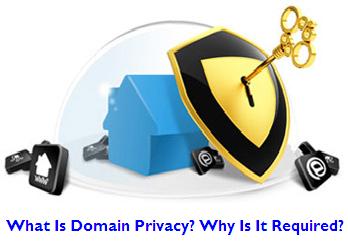
Domain privacy, also called WHOIS privacy, replaces your details in that public list with those of a privacy service. It is like using a post office box instead of your home address. The real owner is still you. Your records stay safe with the registrar.
Why people use it
- Less spam. Bots collect emails and phone numbers from WHOIS. They then send junk and scam messages.
- Safety. Your home address is not shown to strangers.
- Fewer sales calls from companies that scrape the list.
- Less identity theft risk.
Is it required?
No law says every owner must have it. It is an optional extra. Businesses with a public address sometimes skip it. Private persons and small sites should think about it.
Some domain extensions do not allow privacy, or already hide personal data by default. Rules differ by extension and by registrar. Ask Hostvento support what is possible for your domain. Do not assume a price or that it is included free.
How to check and manage it
- Log in to your client area.
- Open Domains, then My Domains.
- Click the domain you want to look at.
- Look for an option called ID Protection or Domain Privacy in the domain's menu or management page.
- If it is shown, follow the on-screen options to turn it on or off.
- If you cannot see it, open a support ticket and ask.
You can check what the public sees by using any WHOIS lookup website. Type your domain and read the result. It may take a short time for changes to show.
Quick recap
- WHOIS is a public list of domain owner details.
- Domain privacy hides your details from that list.
- It helps cut spam and protects your address.
- It is optional, and some extensions work differently.